
What is Trauma?
When we think of trauma we think of combat, abuse, neglect, or assault. But a traumatic event doesn’t need to be inherently violent or catastrophic. Trauma is more about how our system reacts to a situation rather than how life-threatening it was.
Trauma happens when our nervous system is overwhelmed and gets stuck in protective mode. Depending on someone’s age, development, and resources, they may lack the capacity to fully process certain experiences, such as parental arguments, bullying, or a chaotic household. These types of experiences can also cause childhood trauma.
Childhood trauma, whether it fits what we typically think of as trauma or not, can be internalized, creating negative beliefs as well as learned survival patterns of handling difficult situations. Over time, these can become emotional, physiological, and behavioral symptoms that cause difficulties in adulthood.
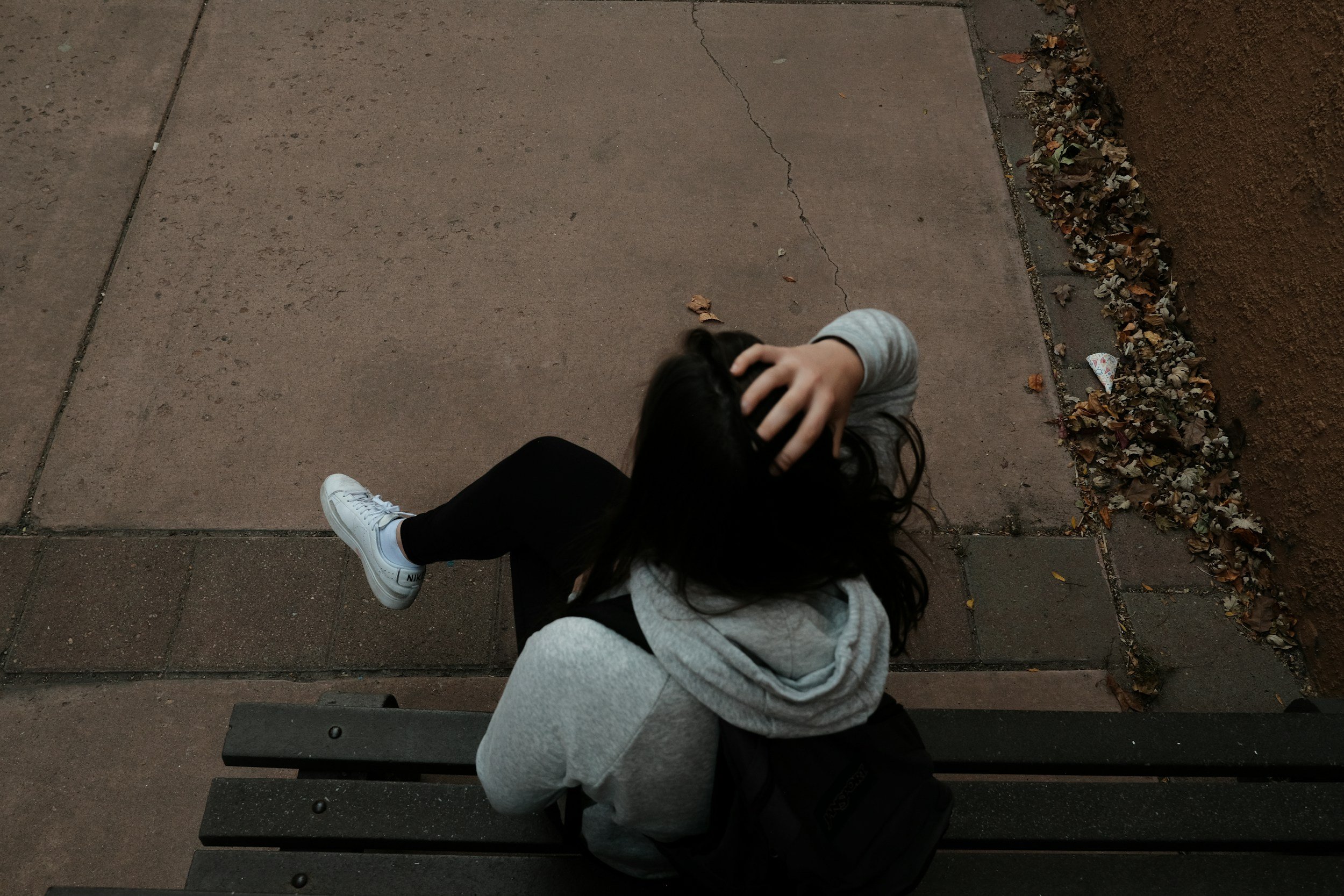
The Signs — What Childhood Trauma Looks Like in Adulthood
Difficulties in relationships. Trauma can wreak havoc on relationships, creating patterns of why relationships fail or why the same arguments happen over and over again. Depending on the original traumatic experience, someone may have trust issues, a fear of abandonment, trouble forming and maintaining healthy attachments, or a fear of letting someone get too close. Many times, these present-day concerns point to a disruption between the child and their caregiver, which we call attachment wounds. We learn how to navigate relationships based on our family of origin and sometimes we don’t get the best modeling.
People-pleasing, difficulty setting boundaries, and/or self-neglect. Someone with childhood trauma may have learned that to feel safe and secure, they must take care of the needs of those around them. As humans, belonging is one of our core needs, especially as children. If someone learned that if they weren't helpful, they would be punished, rejected, or ignored, then in order to belong they put others first. In the long run, this person puts their needs on the back burner and struggles developing a strong sense of self.
Irritability and anger issues. Sometimes trauma shows up as anger. This person’s nervous system has chosen to fight as the way to protect themselves. They easily become defensive or reactive and may not know why. This person can feel like they’re always on edge and have a hard time relaxing.
Low self-esteem and self-worth. Similar to people-pleasing, someone struggling with low self-esteem due to trauma probably learned to put their needs on the back burner. This person had experiences that taught them it’s better to be small and not matter. Or perhaps they learned that it’s all their fault and they should be ashamed of taking up space. Many times this person not only struggles with low self-esteem, but also depression.
Perfectionism and control issues. Disorganization and unpredictability can be difficult for someone struggling with childhood trauma. In order for them to feel safe, everything needs to be just right - enter perfectionism. This could be from growing up in a home where love was conditional. For this person if everything was perfect, then they were worthy of love and safety. This is sometimes referred to as “good child” syndrome. Alternatively, someone who grew up in a chaotic home may also struggle with perfectionism as it provided a sense of safety when everything around them was topsy-turvy.
Self-destructive coping mechanisms. Sometimes the feelings and sensations associated with trauma are overwhelming and people develop coping mechanisms as a way to drown or numb out the discomfort. People may turn to substance use, risky sexual behavior, disordered eating, or self-harm as ways to cope. If someone never learned how to self-regulate, these self-destructive behaviors may be the only thing that allows them release.
Emotional numbness or feeling distant/detached. Sometimes the only way someone’s system knows how to keep them safe is through emotional shutdown. Feeling anything at all is too much, so might as well feel nothing. Many times people describe this as if there’s always distance between them and what is happening around them or that everything feels dream-like.
Chronic health issues. Unresolved trauma causes someone’s system to get stuck on high alert, which leads to many systems getting activated more often than they should be. Because of this, people with trauma can experience chronic stress and health issues such as migraines, digestive issues, autoimmune disorders, or chronic pain.
Why This Kind of Trauma Is So Easy to Miss
“What I experienced wasn’t trauma” Most people picture combat, assault, or accidents as a traumatic experience. However, trauma happens when someone’s nervous system is overwhelmed, which easily happens in childhood. Hence, childhood trauma can be from divorce, sibling rivalries, or being picked last during gym class.
“I’ve always been like this” When something shapes your nervous system in childhood, it doesn't feel like a wound. It feels like you. We believe “this is just the way I am,” not realizing that we can heal and change.
“Everyone says it wasn’t that bad” Family members may insist nothing was wrong, or that "everyone had it harder." We’re good at convincing ourselves that something wasn’t as hard as it actually was. It’s important to remember that someone who had a seemingly good childhood could still experience trauma. What matters is how someone’s nervous system reacted.
How Trauma Gets Stored — and Why Talking About It Isn't Always Enough
Trauma gets stuck in the body and becomes an obstacle in the way of our system’s natural healing process. Rather than returning to baseline after an overwhelming experience, our alarm system gets stuck on high alert. And while our system is working extra hard to keep us safe, it’s also stuck in the past.
Through trauma-informed care, our bodies can learn that they are safe now and can turn off the alarm system until it’s actually needed again. And because trauma is based in the nervous system, it needs to be part of the healing process. This is why body-based therapy is more effective at healing trauma.
What Actually Helps Childhood Trauma Heal
Internal Family Systems (IFS) can help someone get to know the different parts of themselves that became burdened during traumatic incidents. Some parts take on the role of holding the pain from childhood trauma, while others take on a protective role making sure that pain does not overwhelm us in the present day. There may be a perfectionist part protecting a vulnerable younger part that’s scared of rejection. Or perhaps there’s an angry part making sure you’re never bullied again. Getting to know your parts can be very healing and help make sense of patterns and behaviors that you learned to stay safe.
Eye Movement Desensitization Reprocessing (EMDR) can also help heal old wounds by noticing what causes emotional difficulties in the present, and connecting it to past memories that bring up similar sensations. EMDR helps the brain and body reprocess traumatic experiences and reduce their intensity, allowing your system to heal from them.
Frequently Asked Questions
Can you have childhood trauma without remembering anything specific?
Yes. Sometimes trauma happens before memories form. Other times small experiences over time can accumulate into a traumatic experience rather than one specific memory (hello micro-aggressions). In either case, trauma-informed care can help.
Is childhood trauma the same as PTSD?
It can be, but not always. A PTSD diagnosis has specific criteria that not everyone meets for a full diagnosis. However, that doesn’t mean someone doesn’t have trauma that’s impacting their life. A mental health practitioner can help determine if a PTSD diagnosis fits or not. Either way, a trauma-informed approach can help in the healing process.
Can childhood trauma actually heal in adulthood?
Yes. The good news is that our bodies want to heal. It just needs some additional resources that it didn’t have before to let that healing happen.